
ACI – Affective and Cognitive Institute

Smart & Affectionate HCI
We conduct research on human-computer interaction (HCI). To this end, we develop assistive technologies and study the perception and integration of social robots. Our research focuses on gamification, affective computing, and augmented reality.

Research and Methodology

In our research, we strive to find technological solutions to problems in the fields of work, education, and caregiving. Our assistive systems are shaped by our research focuses.
Playful concepts from gamification help motivate users in their tasks, and through emotion recognition, affective systems can respond appropriately to users’ feelings. With the help of interactive projections and virtual reality, augmented reality makes it possible to design technology interfaces that are more intuitive to use.
In addition, our work focuses on the development of social robots. Through surveys and interviews, we investigate how social robots are perceived and accepted by society. Our findings are intended to help shape what social robots might look like and what tasks they should perform.
The Affective & Cognitive Institute is committed to user-centered design and development. We iteratively adapt our work to the wishes and needs of users and stakeholders. This methodology is particularly important for both assistive technologies and social robots, as they are used in everyday life and are intended to improve it.
That is why we regularly conduct qualitative and quantitative studies in every project. These include not only interviews and focus group discussions, but also the collection of physiological data using emotion recognition and eye tracking.
Research Projects
Here you will find our HCI (Human-Computer Interaction) research projects:
OER Games

This forward-looking project is developing a metadata catalog that enables users to search OER learning materials specifically for game mechanics, gamification aspects, and learning objectives. By defining standardized database schemas and interfaces (APIs), an innovative system architecture is created that optimally structures educational materials. The result is a model database for game-based learning resources that can be used with equal precision and efficiency by people, search engines, and AI applications alike.
08/2026 – 02/2027
SUSI

The goal of SUSI (Smart and Secure AI-Assistant for Independent Seniors) is to develop an AI-powered assistance system for seniors living alone that is designed to detect health risks early, promote cognitive and physical fitness, and strengthen social participation. The project is funded by the Central Innovation Program for Small and Medium-Sized Enterprises (ZIM).
01/2026 – 12/2027

MuMaSens

The goal of the project is to develop scientifically sound formats that empower young people to recognize disinformation, critically examine it, and confidently navigate digital media. The learning environments developed are intended to foster lasting awareness that goes beyond traditional classroom and workshop methods.
09/2025 – 08/2028


Here you will find our completed research projects:
KomIn2Assist

The goal of KomIn2Assist is to develop an assistive system that supports people with disabilities in the workplace. Text-based interactions provide context-aware knowledge and coaching, thereby strengthening competence, autonomy, and self-confidence. KomIn2Assist is funded by the BMBF as part of the “Innovative Work Environments in Small and Medium-Sized Enterprises” program.
01/2023 – 06/2026
OGFLab

OGFLab stands for Open Game & FabLab Offenburg. With its own facilities and equipment, professional guidance, and an extensive network, the project promotes an entrepreneurial spirit across all departments at the University. The focus is on game and app development (GameLab) as well as rapid prototyping (FabLab).
OGFLab is funded by the BMBF as part of the StartUpLab@FH initiative.
07/2021 – 06/2026
MAgiC

The goal of Game MAgiC – Mindset Agility Creator is to develop a system for gamification in teaching, including examples of its application. The project is funded by the Foundation for Innovation in Higher Education, which is sponsored by the Toepfer Foundation.
April 2024 – March 2026
#ABCforJobs

#ABCforJobs is an educational project funded by the BMBF to promote literacy. The goal is to teach hybrid written and digital content to low-literacy employees and unemployed individuals by virtually simulating reading, writing, comprehension, and application in a professional context.
November 2021 – November 2025
emocare

The goal of the emocare project is to make the analysis of emotions and mental states—using algorithms that analyze voice, facial expressions, and gestures—usable in the field of nursing care. emocare is a project funded by the Federal Ministry for Economic Affairs and Energy’s (BMWi) Central Innovation Program for SMEs (ZIM) in collaboration with Dr. Hornecker Software Development and IT Services.
02/2021 – 11/2022
Noneliness App

The Noneliness App project explores how a gamified social platform can strengthen social connections within a college community and reduce loneliness among students. In a safe virtual environment, users can organize meetups, make new friends, start discussion groups, or seek psychological support. The platform uses gamification elements to encourage engagement.
Oct. 2018 – Sept. 2022
Soziale Roboter

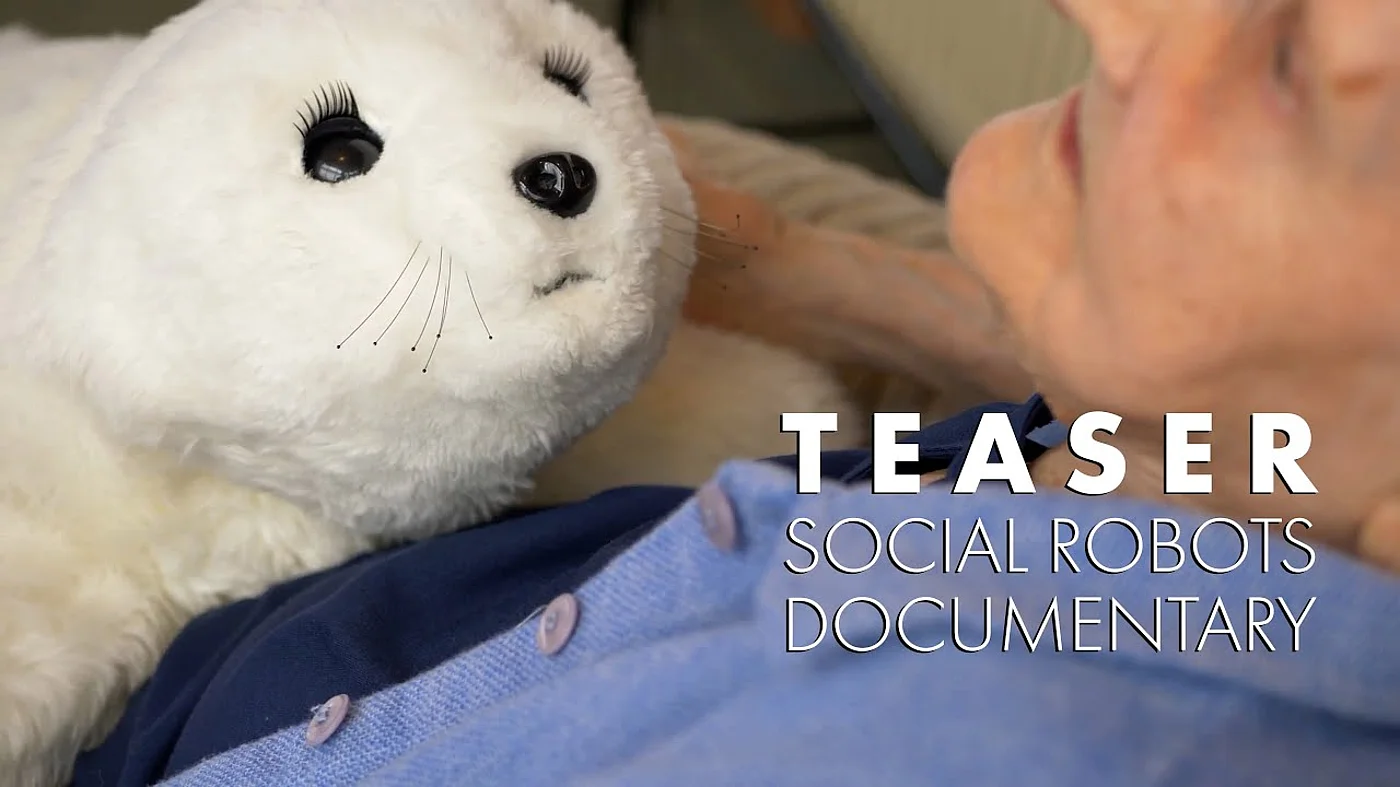
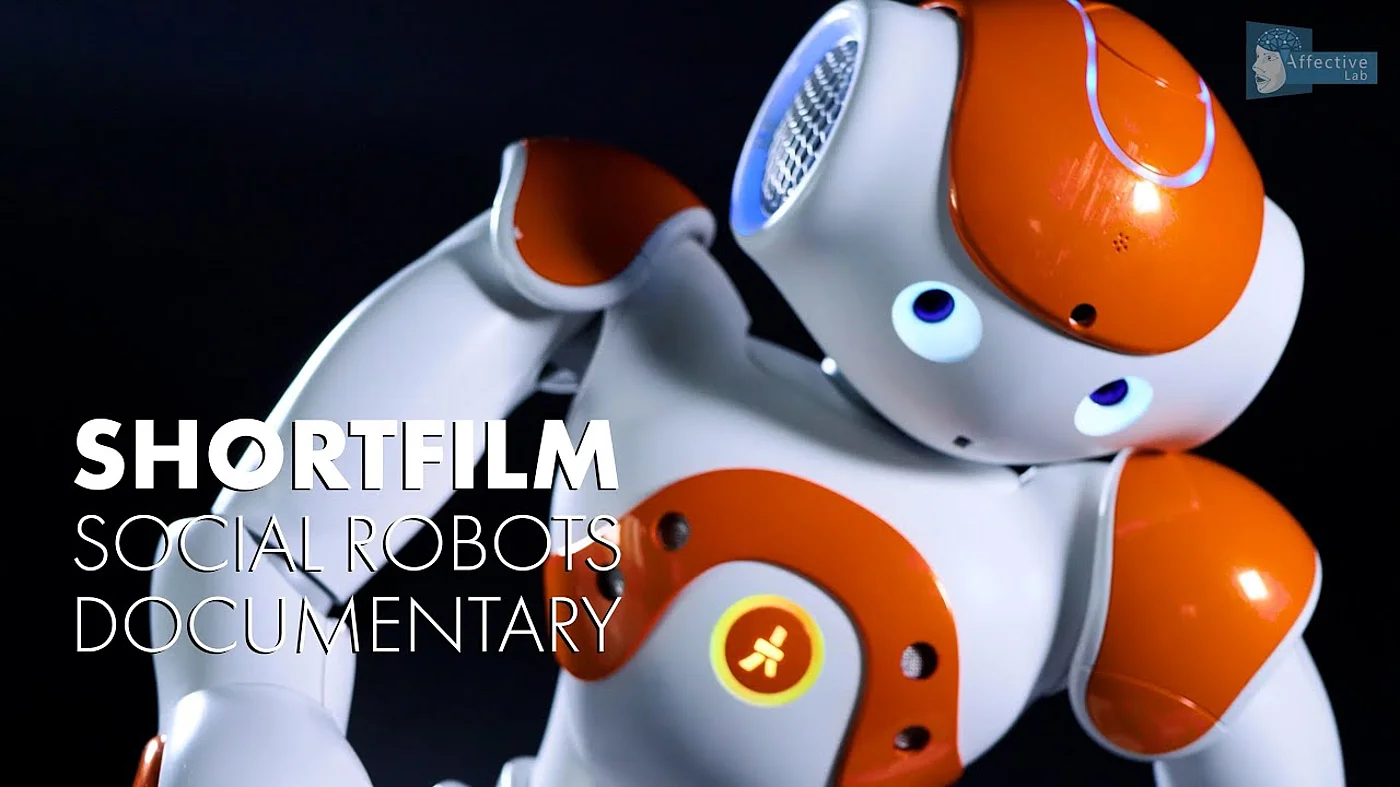
The Social Robots research project examines, on an empirical level, the societal acceptance of social robots, particularly with regard to cultural differences. Social robots are machines that can recognize and interpret human facial expressions and gestures and adapt their own behavior accordingly.
More information on social robots: Social Robots – A Science Comic and Workshop: Social Robots
Videos
SUITCEYES

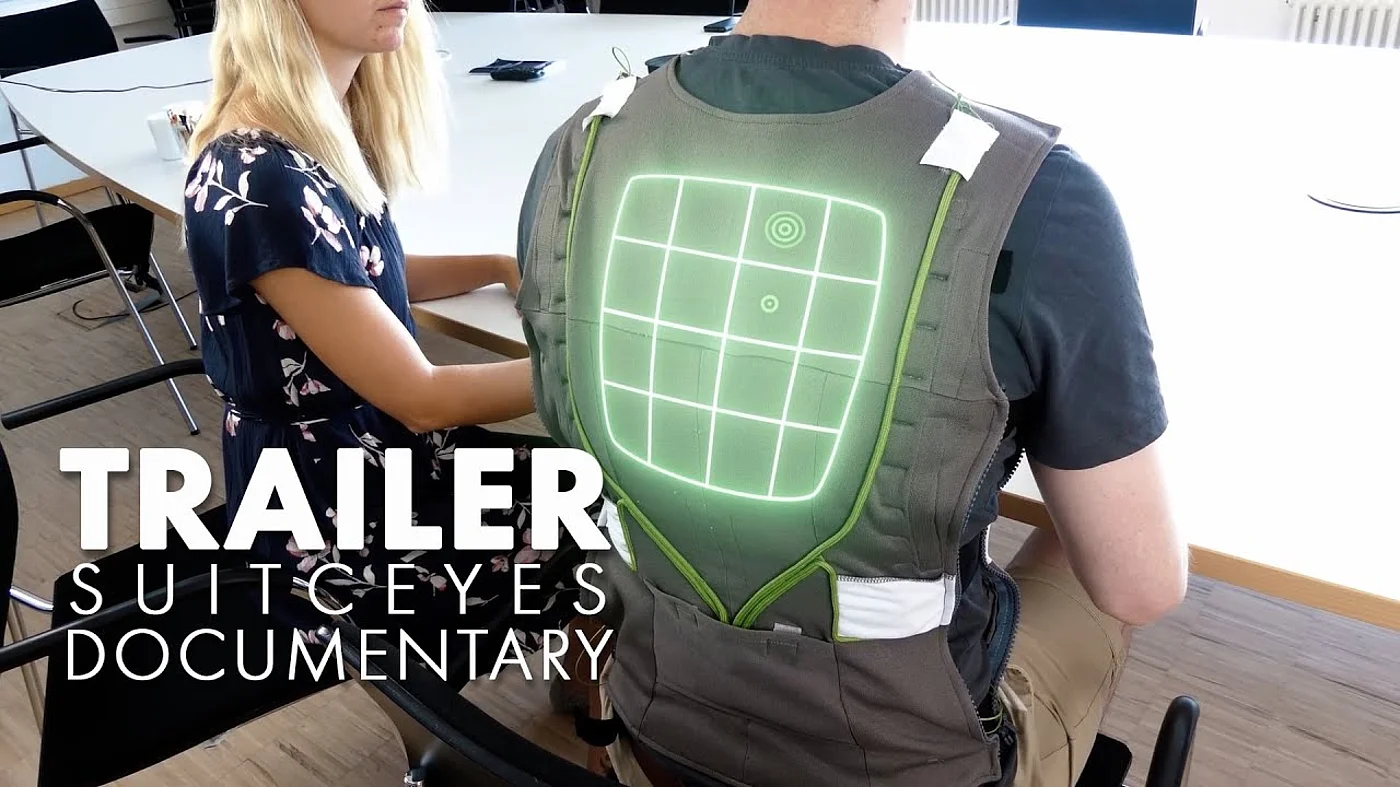
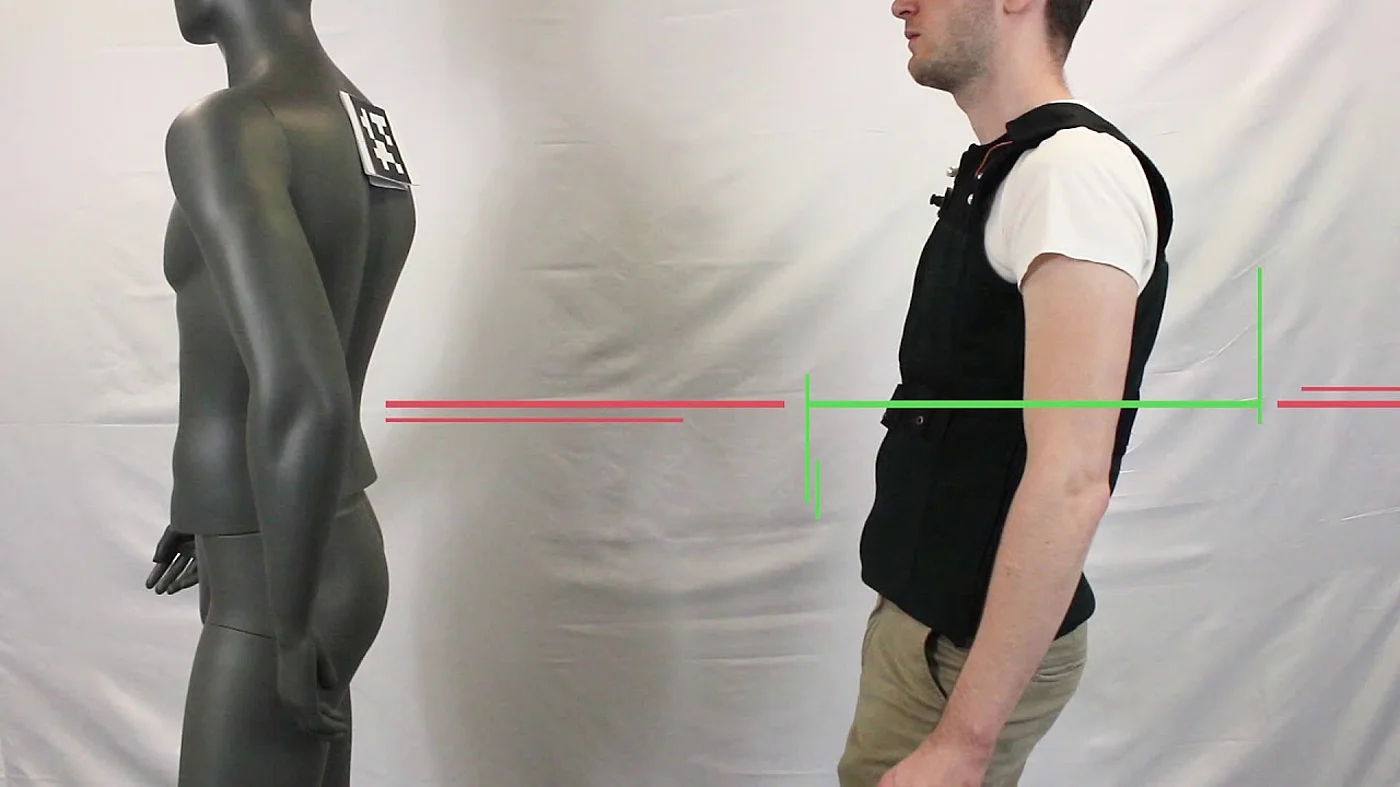
The EU-funded SUITCEYES project aims to expand communication options for people who are deafblind. By using various sensors and actuators, this smart garment can gather information from the environment and transmit it to the wearer.
January 2018 – June 2021
Videos

SUITCEYES – Giving people who are both deaf and blind the opportunity to participate more actively in society
Motivation
Ziele und Vorgehen
Innovationen und Perspekiven
Project Information
Project Coordinator
University of Borås, Sweden
Partner
Information Technologies Institute, Center for Research & Technology Hellas, Greece
Hochschule Offenburg, Germany
University of Leeds, United Kingdom
Vrije Universiteit Amsterdam, Netherlands
Les Doigts Qui Rêvent, Talant, France
Harpo Sp. z o.o., Poznań, Poland
Volume
2.4 million €
Duration
January 2018 – June 2021

incluMOVE

incluMOVE is an education and research project designed to support people with disabilities in the workplace. The goal is to develop a context-aware, interactive, and game-based system that provides assistance through projections and motion guidance.
October 2017 – March 2021
Videos
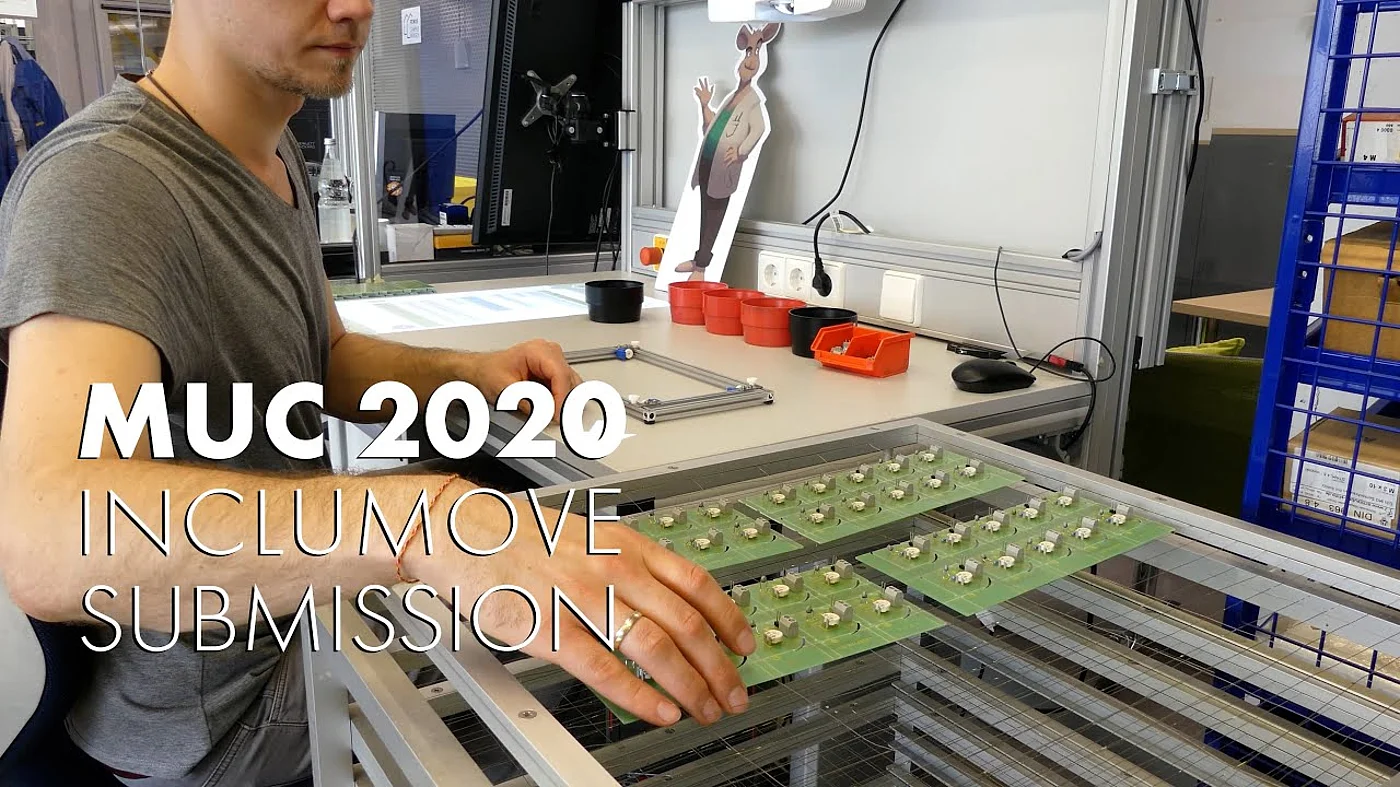
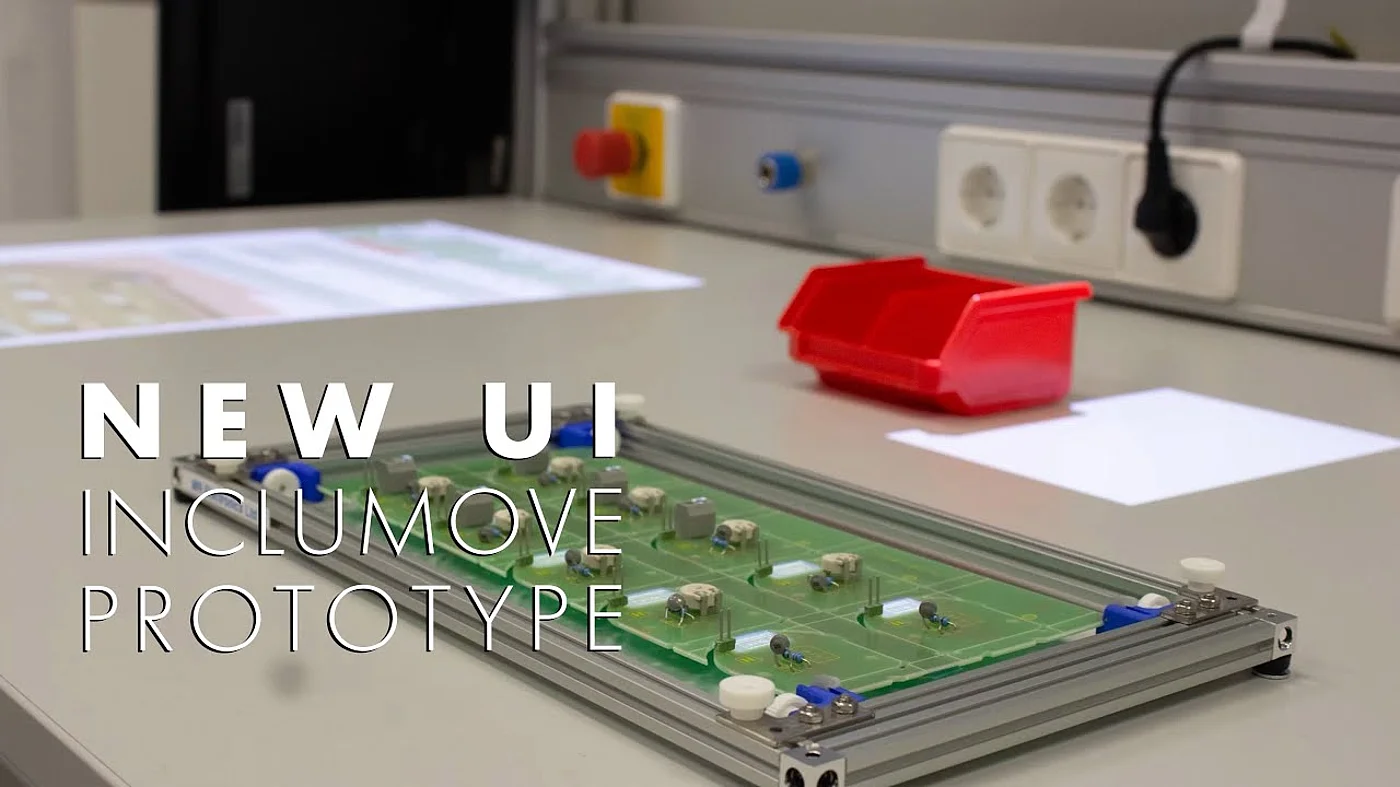
incluMOVE – A context-aware learning and work environment that enables people with disabilities to access the general labor market
Motivation
Ziele
Innovationen & Perspektiven
Project Information
Project Coordinator
FEMOS non-profit GmbH
Partner
Hochschule Offenburg
Fraunhofer Institute for Manufacturing Engineering and Automation, Stuttgart
IEF Werner GmbH
Federal Association of Workshops for People with Disabilities e.V.
AUDI AG, Ingolstadt
Stuttgart Region Chamber of Industry and Commerce
Volume
2.2 million €
Duration
October 2017 – March 2021


KoBeLU

The KoBeLU project is developing a context-aware and interactive system that enables trainees to engage in self-directed learning with a playful element. The system acts as a kind of personal coach that can tailor the learning modules to each trainee individually through emotion recognition.
August 2016 – July 2019
Videos
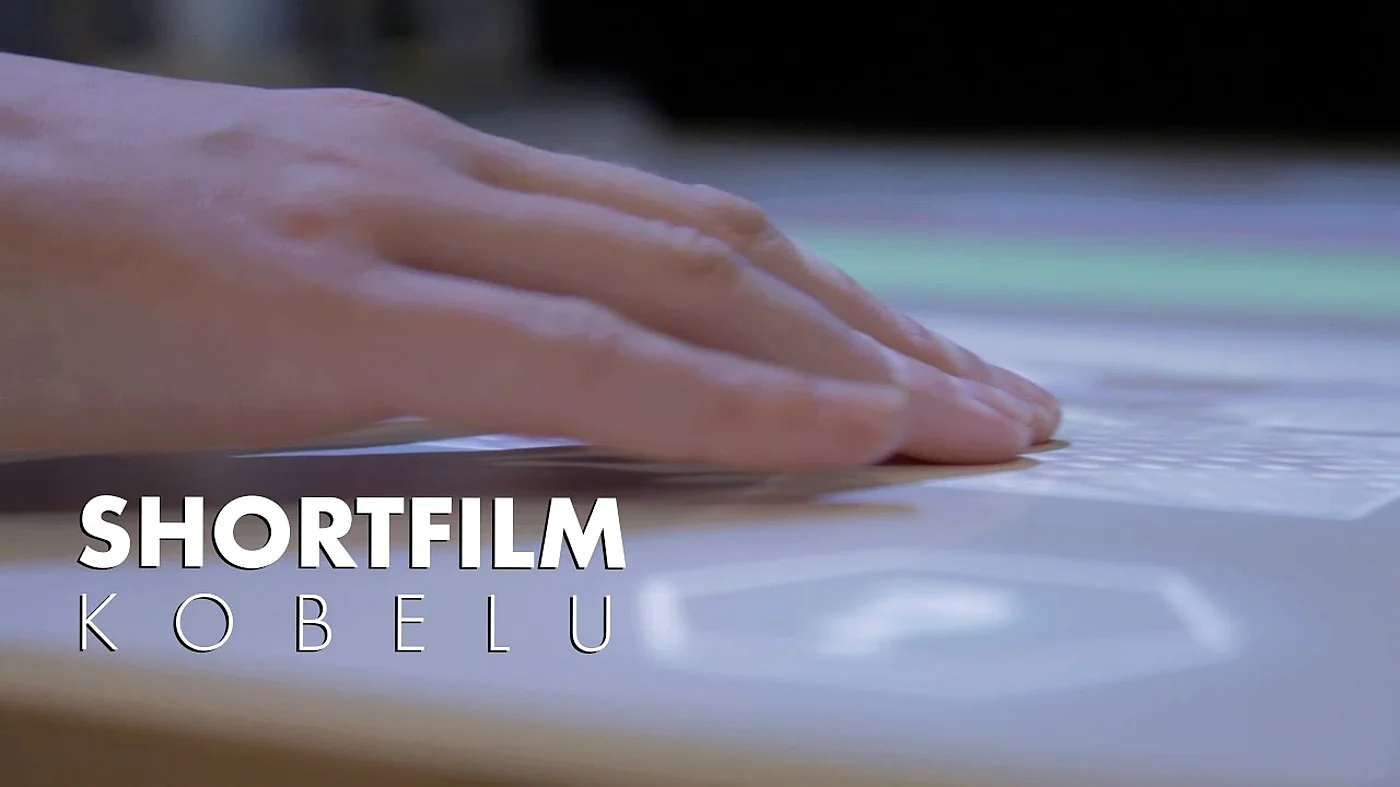

KoBeLU – Context-Aware Learning Environment for Education and Training
Motivation
Ziele und Vorgehen
Innovationen und Perspektiven
Referenzen
Project Information
Consortium Coordinator
Ludwig Maximilian University of Munich
Partner
Hochschule Offenburg
Eberhard Karls University of Tübingen
Nonprofit Workshops and Residential Facilities GmbH, Gärtingen
User Interface Design GmbH, Mannheim
AUDI AG, Ingolstadt
MAHLE International GmbH, Stuttgart
Stiefel Digitalprint GmbH, Lenting
Total
€2.69 million (of which 74% is funded by the BMBF)
Duration
August 2016 – July 2019

Insights into Our Research
Developing new methods. Optimizing processes. Driving innovation. At ACI, we seek answers to research questions. Our project directory lists all the projects we’re carrying out in collaboration with partners from academia and industry. There, you can search for all ongoing and completed projects since 2014. You can find the latest milestones and breakthroughs in our daily work under Insights.
More Information
Team
Our dedicated staff forms the core of the Affective & Cognitive Institute.
Scientists, programmers, and designers come together at the ACI to work as part of an international team. We are actively supported in this effort by our student assistants.
The institute’s founder and director is Prof. Dr. Oliver Korn.


Leitung und Assistenz


Publications
Benjamin Lukas Schnitzer, Stefano Gampe, Arndt Bieberstein, Isabel Hoffmann, Daniel Görlich, and Oliver Korn. (2025). Language Learning in Virtual Reality: Enhancement of Long-Term Vocabulary Recognition and Understanding through Full-Body Avatars. In Proceedings of the Extended Abstracts of the CHI Conference on Human Factors in Computing Systems (CHI EA ’25). Association for Computing Machinery, New York, NY, USA, Article 371, 1–9. https://doi.org/10.1145/3706599.3720187
Schnitzer, B., Caserman, P., Korn, O. (2025). Sky Dash: Evaluating the Effects of a Serious Low-Threshold Mobile Game on Learning Efficacy and User Experience in a Repetitive Learning Task. In: Plass, J.L., Ochoa, X. (eds) Serious Games. JCSG 2024. Lecture Notes in Computer Science, vol. 15259. Springer, Cham. https://doi.org/10.1007/978-3-031-74138-8_16
Benjamin Lukas Schnitzer, Polona Caserman, and Oliver Korn. (2024). Shaken, not stirred: Effects of Minimal Rotational Motion Cues on Cybersickness in a VR Flying Experience. In Proceedings of Mensch und Computer 2024 (MuC ’24). Association for Computing Machinery, New York, NY, USA, 605–610. https://doi.org/10.1145/3670653.3677517
Schnitzer B., Vural U.C., Schnitzer B., Sardar M.U., Fuerst O., and Korn O. (2024). Prototyping a Zoomorphic Interactive Robot Companion with Emotion Recognition and Affective Voice Interaction for Elderly People. Proc. ACM Hum.-Comput. Interact. 8, EICS, Article 242 (June 2024), 32 pages. https://doi.org/10.1145/3660244
Liberman-Pincu E., Korn, O., Grund J., van Grondelle E.D., Oron-Gilad T. (2024) Designing Socially Assistive Robots: Exploring Israeli and German Designers’ Perceptions. J. Hum.-Robot Interact. Vol. 13, No. 2, Article 28. https://doi.org/10.1145/3657646
Korn O., Zallio M., Schnitzer B. (2024). Young Skeptics: Exploring the Perceptions of Virtual Worlds and the Metaverse Among Generations Y and Z. Frontiers in Virtual Reality, vol. 5, https://doi.org/10.3389/frvir.2024.1330358
Caserman P., Göbel S., Korn O. (2024). Serious Games in School Education: Quality Through Certification. In: Becker W., Metz M. (eds) Serious Games and Gamification in School Education. Springer VS, Wiesbaden. https://doi.org/10.1007/978-3-658-44317-7_3
Caserman P., Baumgartner K.A., Göbel S. et al. (2024) A best practice for gamification in large companies: An extensive study focusing on intergenerational acceptance. Multimed Tools Appl 83, 35175–35195. https://doi.org/10.1007/s11042-023-16877-7
Zallio M., Korn O. (2023). Perceptions of Digital and Virtual Environments and the Metaverse: An Exploratory Study with Younger Users. In: Matteo Zallio (eds) Human-Centered Metaverse and Digital Environments. AHFE (2023) International Conference. AHFE Open Access, vol. 99. AHFE International, USA.
http://doi.org/10.54941/ahfe1003930
Korn, O. (2023). Gamification in Industrial Production: An Overview, Best Practices, and Design Recommendations. In: Röcker, C., Büttner, S. (eds.) Human-Technology Interaction. Springer, Cham. https://doi.org/10.1007/978-3-030-99235-4_10
Bordini R. A., & Korn O. (2022) Strengthening Invisible Ties: Decreasing Loneliness Indices of University Students Through a Gamified Mobile App. pp. 424–430 in Proceedings of the 2022 ACM Conference on Information Technology for Social Good, GoodIT ’22. ACM Press. https://doi.org/10.1145/3524458.3548489
Demaeght A., Miclau C., Hartmann K., Markwardt J., & Korn O. (2022) Multimodal Emotion Analysis of Robotic Assistance in Elderly Care. pp. 230–236 in Proceedings of the 15th International Conference on PErvasive Technologies Related to Assistive Environments, PETRA ’22. ACM Press. https://doi.org/10.1145/3529190.3529194
Korn, O., & Zallio, M. (2022). Perspectives on Social Health Robots: How Experts’ Views Improved from 2017 to 2021. Proceedings of the ACM International Conference on PErvasive Technologies Related to Assistive Environments, PETRA ’22, https://doi.org/10.1145/3529190.3531223
Fracasso F., Buchweitz L., Theil A., Cesta A., & Korn O. (2022). Social Robots Acceptance and Marketability in Italy and Germany: A Cross-National Study Focusing on Assisted Living for Older Adults. International Journal of Social Robotics. https://doi.org/10.1007/s12369-022-00884-z
Theil A., Buchweitz L., Schulz A. S., & Korn O. (2022). Understanding the perceptions and experiences of the deafblind community regarding digital games. Disability and Rehabilitation: Assistive Technology. https://doi.org/10.1080/17483107.2021.2008026
Ruth J., Willwacher S., & Korn O. (2022) Acceptance of Digital Sports: A Study Showing the Rising Acceptance of Digital Health Activities Due to the SARS-CoV-19 Pandemic. International Journal of Environmental Research and Public Health, 19(1), 596. https://doi.org/10.3390/ijerph19010596
Korn O., Schulz A. S., & Hagley B. (2022). Gamification: Fundamentals, Methods, and Application Examples. W. Becker & M. Metz (Eds.), Digital Learning Worlds – Serious Games and Gamification: Didactics, Applications, and Experiences in Vocational Education. Pp. 43–63. Springer Fachmedien. https://doi.org/10.1007/978-3-658-35059-8_4
Korn, O., Willwacher, S. (2022). Smart Systems in Rehabilitation and Prevention. How Artificial Intelligence and Gamification Personalize Exercise Training. In: Pfannstiel, M.A. (eds) Artificial Intelligence in Healthcare. Springer Gabler, Wiesbaden. https://doi.org/10.1007/978-3-658-33597-7_42
Korn, O., Buchweitz, L., Theil, A., Fracasso, F., & Cesta, A. (2021). Acceptance and Marketability of Social Robots. O. Bendel (Ed.), Social Robots: Fundamentals in Engineering, Economics, Philosophy, Psychology, and Sociology (pp. 59–88). Springer Fachmedien. https://doi.org/10.1007/978-3-658-31114-8_4
Korn, O., Akalin, N., & Gouveia, R. (2021) Understanding Cultural Preferences for Social Robots: A Study in German and Arab Communities. J. Hum.-Robot Interact. 10, 2, Article 12 (March 2021), 19 pages. https://doi.org/10.1145/3439717
Willwacher S. & Korn O. (2021) Gamification of Movement Exercises in Rehabilitation and Prevention: A Framework for Smart Training in AI-Based Exergames. Pp. 855–862 in Advances in Industrial Design. Vol. 260, Lecture Notes in Networks and Systems, edited by C. S. Shin, G. Di Bucchianico, S. Fukuda, Y.-G. Ghim, G. Montagna, & C. Carvalho. Cham: Springer International Publishing. https://doi.org/10.1007/978-3-030-80829-7_104
Grund J., & Korn O. (2021). Social Robots—A Science Comic. Affective & Cognitive Institute. https://doi.org/10.48584/opus-4779
Lindell E., Theil A., Guo L., Olson N., Korn O., & Persson NK. (2021) Physical Add-Ons for Haptic Human-Surrounding Interaction and Sensorial Augmentation. In: Ahram T., Taiar R., Langlois K., Choplin A. (eds) Human Interaction, Emerging Technologies and Future Applications III. IHIET 2020. Advances in Intelligent Systems and Computing, vol. 1253. Springer, Cham. https://doi.org/10.1007/978-3-030-55307-4_28
Theil A., Buchweitz L., Gay J., Lindell E., Guo L., Persson N-K, & Korn O. (2020). Tactile Board: A Multimodal Augmentative and Alternative Communication Device for Individuals with Deafblindness. In 19th International Conference on Mobile and Ubiquitous Multimedia (MUM 2020). Association for Computing Machinery, New York, NY, USA, 223–228. https://doi.org/10.1145/3428361.3428465
Gay J., Umfahrer M., Theil A., Buchweitz L., Lindell E., Guo L., Persson NK & Korn O. (2020). Keep Your Distance: A Playful Haptic Navigation Wearable for Individuals with Deafblindness. In The 22nd International ACM SIGACCESS Conference on Computers and Accessibility (ASSETS ’20). Association for Computing Machinery, New York, NY, USA, Article 93, 1–4. https://doi.org/10.1145/3373625.3418048
Buchweitz L., Theil A., Gay J., & Korn O. (2020). Exploring Low-Cost Materials to Make Pattern-Based Lock Screens Accessible for Users with Visual Impairments or Deafblindness. In The 22nd International ACM SIGACCESS Conference on Computers and Accessibility (ASSETS ’20), October 26–28, 2020, Virtual Event, Greece. ACM, New York, NY, USA, 4 pages. https://doi.org/10.1145/3373625.3418020
Wang I., Buchweitz L., Smith J., Bornholdt L-S, Grund J., Ruiz J., & Korn O. (2020). Wow, You Are Terrible at This! An Intercultural Study on Virtual Agents Giving Mixed Feedback. In Proceedings of the 20th ACM International Conference on Intelligent Virtual Agents (IVA ’20). Association for Computing Machinery, New York, NY, USA, Article 55, 1–8. https://doi.org/10.1145/3383652.3423887
Bordini, R. A., Münscher, J.-C., Baumgartner, K. A., Hagos, S., Hornig, J., Gampe, S., Yaman, B., Korn, O., & Herzberg, P. Y. (2020). Strangers in a Strange Land: Designing a Mobile Application to Combat Loneliness and Isolation Among Foreign University Students. Journal of Technology in Behavioral Science. https://doi.org/10.1007/s41347-020-00171-6
Bordini R.A., & Korn O. (2020). A Mobile App to Combat Loneliness and Social Isolation Among University Students. In 22nd International Conference on Human-Computer Interaction with Mobile Devices and Services (MobileHCI ’20). Association for Computing Machinery, New York, NY, USA, Article 41, 1–4. https://doi.org/10.1145/3406324.3409260
Grund J., Umfahrer M., Buchweitz L., Gay J., Theil A., & Korn O. (2020) A gamified and adaptive learning system for neurodivergent workers in electronic assembly tasks. In Proceedings of the Conference on Mensch und Computer (MuC ’20). Association for Computing Machinery, New York, NY, USA, 491–494. https://doi.org/10.1145/3404983.3410420
Theil A., Buchweitz L., Fuentes M., & Korn O. (2020). Co-Designing Assistive Tools to Support Social Interactions by Individuals Living with Deafblindness. In Companion Publication of the 2020 ACM Designing Interactive Systems Conference (DIS’20 Companion). Association for Computing Machinery, New York, NY, USA, 79–83. https://doi.org/10.1145/3393914.3395869
Korn O., Gay J., Gouveia R., Buchweitz L., Schulz A.S., & Umfahrer M. (2020). Tactile navigation with checkpoints as progress indicators? Only when walking longer straight paths. In Proceedings of the 13th ACM International Conference on PErvasive Technologies Related to Assistive Environments, PETRA ’20. Corfu, Greece: Association for Computing Machinery. https://doi.org/10.1145/3389189.3392605
Nandkumar K., Schulz A.S., & Korn O. (2020). Wearable or HMD?: How to Support Tactile Navigation. Proceedings of the 13th PErvasive Technologies Related to Assistive Environments Conference, New York, NY, USA: ACM. https://doi.org/10.1145/3389189.3397644
Israel K., Buchweitz L., Tscheulin D.K., Zerres C., & Korn O. (2020) Captivating Product Experiences: How Virtual Reality Creates Flow and Thereby Optimizes Product Presentations. In: Nah FH., Siau K. (eds) HCI in Business, Government, and Organizations. HCII 2020. Lecture Notes in Computer Science, vol. 12204. Springer, Cham. https://doi.org/10.1007/978-3-030-50341-3_28
Heimburger L., Buchweitz L., Gouveia R., & Korn O. (2020) Gamifying Onboarding: How to Increase Both Engagement and Integration of New Employees. In: Goossens R., Murata A. (eds) Advances in Social and Occupational Ergonomics. AHFE 2019. Advances in Intelligent Systems and Computing, vol. 970. Springer, Cham. https://doi.org/10.1007/978-3-030-20145-6_1
Korn O. Social Robots—Introduction and Potential for Care and Health. Wirtsch Inform Manag 11, 126–135 (2019). https://doi.org/10.1365/s35764-019-00187-5
Korn, O., Buchweitz, L., Rees, A., Bieber, G., Werner, C., & Hauer, K. (2019). Using Augmented Reality and Gamification to Empower Rehabilitation Activities and Elderly Persons. A Study Applying Design Thinking. In Advances in Artificial Intelligence, Software and Systems Engineering (pp. 219–229). Cham: Springer International Publishing. https://doi.org/10.1007/978-3-319-94229-2_21
Israel K., Zerres C., Tscheulin D.K., Buchweitz L., & Korn O. (2019) Presenting Your Products in Virtual Reality: Do Not Underestimate Cybersickness. In: Nah FH., Siau K. (eds) HCI in Business, Government, and Organizations. eCommerce and Consumer Behavior. HCII 2019. Lecture Notes in Computer Science, vol. 11588. Springer, Cham. https://doi.org/10.1007/978-3-030-22335-9_1
Mueller, A., Feldberger, A., Miclau, C., Koch, P., Walter, L., Feige, S., Schmidt, N., Neth, M., & Korn, O. (2019). Hidden Champions: A Study on Recruiting Top-Level Staff in Rural Areas. In F. F.-H. Nah & K. Siau (Eds.), HCI in Business, Government, and Organizations. Information Systems and Analytics (pp. 393–407). Springer International Publishing. https://doi.org/10.1007/978-3-030-22338-0_32
Fron C., & Korn O. (2019) A Short History of the Perception of Robots and Automata from Antiquity to Modern Times. In: Korn O. (eds) Social Robots: Technological, Societal, and Ethical Aspects of Human–Robot Interaction. Human–Computer Interaction Series. Springer, Cham. https://doi.org/10.1007/978-3-030-17107-0_1
Korn, O., & Ress, A. (2019). Affective effects of gamification: using biosignals to measure the effects on working and learning users. In Proceedings of the 12th ACM International Conference on PErvasive Technologies Related to Assistive Environments (PETRA ’19). Association for Computing Machinery, New York, NY, USA, 1–10. https://doi.org/10.1145/3316782.3316783
Tsiakas K., Kyrarini M., Karkaletsis V., Makedon F., & Korn O. (2018). A Taxonomy in Robot-Assisted Training: Current Trends, Needs, and Challenges. Technologies, (6, 119), 19. https://doi.org/10.3390/technologies6040119
Schulz A. S., Schulz F., Gouveia R., & Korn O. (2018). Branded Gamification in Technical Education. In 2018 10th International Conference on Virtual Worlds and Games for Serious Applications (VS-Games) (pp. 1–8). https://doi.org/10.1109/VS-Games.2018.8493413
Müller, A., Anke, S., Herrmann, S., Katz, P., Leuchtweis, C., Miclau, C., & Korn, O. (2018). Measuring the Influence of User Experience on Banking Customers’ Trust. In F. F.-H. Nah & B. S. Xiao (Eds.), HCI in Business, Government, and Organizations (Vol. 10923, pp. 382–395). Cham: Springer International Publishing. https://doi.org/10.1007/978-3-319-91716-0_30
Korn, O., Bieber, G., & Fron, C. (2018). Perspectives on Social Robots: From the Historic Background to an Experts’ View on Future Developments. In Proceedings of the 11th PErvasive Technologies Related to Assistive Environments Conference (pp. 186–193). New York, NY, USA: ACM. https://doi.org/10.1145/3197768.3197774
Korn, O., Holt, R., Kontopoulos, E., Kappers, A. M. L., Persson, N.-K., & Olson, N. (2018). Empowering Persons with Deafblindness: Designing an Intelligent Assistive Wearable in the SUITCEYES Project. In Proceedings of the 11th PErvasive Technologies Related to Assistive Environments Conference (pp. 545–551). New York, NY, USA: ACM. https://doi.org/10.1145/3197768.3201541
Korn, O. (2018). Autonomy in the Use of Context-Aware Systems: The Path to Emotional Awareness. In T. Breyer-Mayländer (Ed.), The Pursuit of Autonomy: Reflections on Digital Transformation (1st ed., pp. 203–214). Baden-Baden: Nomos. https://doi.org/10.5771/9783845282541-202
Korn, O., Brenner, F., Börsig, J., Lalli, F., Mattmüller, M., & Müller, A. (2018). Defining Recrutainment: A Model and a Survey on the Gamification of Recruiting and Human Resources. In L. E. Freund & W. Cellary (Eds.), Advances in The Human Side of Service Engineering (Vol. 601, pp. 37–49). Cham: Springer International Publishing. https://doi.org/10.1007/978-3-319-60486-2_4
Gerbaulet, D., & Korn, O. (2018). Do Zenware Applications Reduce the Digital Distraction of Knowledge Workers? A Qualitative Study Based on Expert Interviews. In F. Rebelo & M. Soares (Eds.), Advances in Ergonomics in Design (Vol. 588, pp. 115–126). Cham: Springer International Publishing. https://doi.org/10.1007/978-3-319-60582-1_12
Korn, O., & Tietz, S. (2017). Strategies for Playful Design when Gamifying Rehabilitation: A Study on User Experience. In Proceedings of the 10th International Conference on PErvasive Technologies Related to Assistive Environments (pp. 209–214). New York, NY, USA: ACM. https://doi.org/10.1145/3056540.3056550
Korn, O., Stamm, L., & Moeckl, G. (2017). Designing Authentic Emotions for Non-Human Characters: A Study Evaluating Virtual Affective Behavior. In Proceedings of the 2017 Conference on Designing Interactive Systems (pp. 477–487). New York, NY, USA: ACM. https://doi.org/10.1145/3064663.3064755
Korn, O., Blatz, M., Rees, A., Schaal, J., Schwind, V., & Görlich, D. (2017). Procedural Content Generation for Game Props? A Study on the Effects on User Experience. Comput. Entertain., 15(2), 1:1–1:15. https://doi.org/10.1145/2974026
Korn, Oliver, & Vauderwange, Oliver. (2017). Gamification in Production—Requirements and Potential. In M. Henke & S. Kaczmarek (Eds.), Gamification in Logistics: Achieving Greater Success Effectively and Playfully (1st ed., pp. 50–78). Munich: Huss.
Blatz, M., & Korn, O. (2017). A Very Short History of Dynamic and Procedural Content Generation. In O. Korn & N. Lee (Eds.), Game Dynamics (pp. 1–13). Cham: Springer International Publishing. https://doi.org/10.1007/978-3-319-53088-8_1
Korn, O., Rees, A., & Dix, A. (2017). Designing a System for Playful Coached Learning in the STEM Curriculum. In Proceedings of the 2017 ACM Workshop on Intelligent Interfaces for Ubiquitous and Smart Learning (pp. 31–37). New York, NY, USA: ACM. https://doi.org/10.1145/3038535.3038538
Korn, O., & Dix, A. (2016). Educational Playgrounds: How Context-Aware Systems Enable Playful Coached Learning. In *interactions*, 24(1), 54–57. https://doi.org/10.1145/3012951
Korn, O., Muschick, P., & Schmidt, A. (2016). Gamification of Production? A Study on the Acceptance of Gamified Work Processes in the Automotive Industry. In W. Chung & C. S. Shin (Eds.), Advances in Affective and Pleasurable Design. Proceedings of the AHFE 2016 International Conference (pp. 433–445). New York, NY, USA: Springer Berlin Heidelberg. https://doi.org/10.1007/978-3-319-41661-8_42
Korn, O., Tso, L., Papagrigoriou, C., Sowoidnich, Y., Konrad, R., & Schmidt, A. (2016). Computerized Assessment of the Skills of Impaired and Elderly Workers: A Tool Survey and Comparative Study. In Proceedings of the 9th ACM International Conference on PErvasive Technologies Related to Assistive Environments (pp. 50:1–50:8). New York, NY, USA: ACM. https://doi.org/10.1145/2910674.2910675
Korn, O., Lang, J., Korge, A., Causegic, H., & Schmidt, A. (2016). Gamification of a Workday: A Study on the Effects in Sheltered Employment. In CHI ’16 Proceedings of the 2016 CHI Conference Extended Abstracts on Human Factors in Computing Systems (pp. 3114–3121). New York, NY, USA: ACM. https://doi.org/10.1145/2851581.2892283
Schwind, V., Wolf, K., Henze, N., & Korn, O. (2015). Determining the Characteristics of Preferred Virtual Faces Using an Avatar Generator. In Proceedings of the 2015 Annual Symposium on Computer-Human Interaction in Play (pp. 221–230). New York, NY, USA: ACM. https://doi.org/10.1145/2793107.2793116
Behrendt, H., Funk, M., & Korn, O. (2015). Ethical Implications Regarding Assistive Technology at Workplaces. In C. Misselhorn (Ed.), Collective Agency and Cooperation in Natural and Artificial Systems (pp. 109–130). Springer International Publishing. https://doi.org/10.1007/978-3-319-15515-9_6
Korn, O., Boffo, S., & Schmidt, A. (2015). The Effect of Gamification on Emotions – The Potential of Facial Recognition in Work Environments. In M. Kurosu (Ed.), Human-Computer Interaction: Design and Evaluation (Vol. 9169, pp. 489–499). Cham: Springer International Publishing. http://link.springer.com/10.1007/978-3-319-20901-2_46
Korn, O., & Schmidt, A. (2015). Gamification of Business Processes: Redesigning Work in the Production and Service Industries. Procedia Manufacturing, 3, 3424–3431. https://doi.org/10.1016/j.promfg.2015.07.616
Korn, O., Funk, M., & Schmidt, A. (2015). Design Approaches for the Gamification of Production Environments. A Study Focusing on Acceptance. In PETRA ’15 Proceedings of the 8th International Conference on PErvasive Technologies Related to Assistive Environments. New York, NY, USA: ACM. https://doi.org/10.1145/2769493.2769549
Funk, M., Bächler, A., Bächler, L., Korn, O., Krieger, C., Heidenreich, T., & Schmidt, A. (2015). Comparing Projected In-Situ Feedback at the Manual Assembly Workplace with Impaired Workers. In PETRA ’15 Proceedings of the 8th International Conference on PErvasive Technologies Related to Assistive Environments. New York, NY, USA: ACM. https://doi.org/10.1145/2769493.2769496
Korn, O., Funk, M., & Schmidt, A. (2015). Towards a gamification of industrial production: a comparative study in sheltered work environments. In Proceedings of the 7th ACM SIGCHI Symposium on Engineering Interactive Computing Systems (pp. 84–93). New York, NY, USA: ACM. https://doi.org/10.1145/2774225.2774834
Korn, O., Rees, A., & Schulz, U. (2015). Small-Scale Cross-Media Productions: A Case Study of a Documentary Game. In Proceedings of the ACM International Conference on Interactive Experiences for TV and Online Video (pp. 149–154). New York, NY, USA: ACM. https://doi.org/10.1145/2745197.2755516
Korn, O., Funk, M., & Schmidt, A. (2015). Assistive Systems for the Workplace: Towards Context-Aware Assistance. In L. B. Theng (Ed.), Assistive Technologies for Physical and Cognitive Disabilities (pp. 121–133). IGI Global. https://doi.org/10.4018/978-1-4666-7373-1
Science Comic
The Affective & Cognitive Institute is dedicated to science communication. We believe it is important to make research accessible and easy to understand. In our science comics, we use the power of illustration and storytelling to explain social robots, artificial intelligence, and affective HCI.

Social Robots – A Science Comic
A valuable robot has gone missing from a research institute, and Inspector Kira is assigned to the case. In the course of her investigation, she delves deep into the world of social robots. As Kira encounters not only scientists but also anti-robot activists, she is confronted with different perspectives on progress and automation.
“Social Robots—A Science Comic” is a project of the Affective & Cognitive Institute at Hochschule Offenburg and explores the institute’s research on the acceptance of social robots. The science comic is aimed at the general public and provides information about future developments in social robots. The topic is highly relevant, as robots and automation are set to drastically change the labor market and society.
In particular, the science comic offers a new perspective on the topic of “Social Robots in Healthcare.” Through an entertaining detective story, it explores various aspects of social robots. From current examples such as Paro to the emotional arguments of anti-robot activists, the comic covers a broad spectrum of topics and provides an accessible introduction to the complex field of research and technology. As a result, the comic is suitable for interested readers of all ages. In addition, the comic is intended to be made available to schools as a teaching and learning resource.
Summary
The prototype of a social robot has disappeared from the research lab just before the first major field study for its use in elder care. The search for the stolen robot raises many questions:
What are social robots, and how can they be used?
How can social robots be used in elder care?
Do social robots threaten jobs?
What are some possible solutions?
Detective Kira investigates and finds many answers…


Background
Prof. Dr. Oliver Korn, director of the Affective & Cognitive Institute (ACI) at Hochschule Offenburg, is the conceptualizer and scientific author of “Social Robots – A Science Comic.” Graphic designer Jonas Grund, as a member of the ACI staff, immersed himself in the world of science and incorporated his experiences into the comic. Through the comic, the authors provide an easy-to-understand overview of the current state of research and future prospects in the fields of social robots and artificial intelligence. In doing so, they lay the groundwork for a broad societal debate.
The 72-page comic is published in DIN A4 portrait format. It is available for free in German and English on the eReader and can be purchased as a print version through the university bookstore.
Legal Notice
© 2020 Affective & Cognitive Institute ACI
Self-published by Affective & Cognitive Institute ACI, Hochschule Offenburg – University of Technology, Business and Media, Badstraße 24, 77652 Offenburg, Germany. https://aci.hs-offenburg.de/
Printed by: BOD Badische Offsetdruck Lahr GmbH, Hinlehreweg 9,
77933 Lahr – Germany
ISBN (print, German): 978-3-9822778-1-3
ISBN (print, English): 978-3-9822778-0-6
This work, including all its parts, is protected by copyright. Any use without the consent of the publisher and the author is prohibited. This applies in particular to electronic or other forms of reproduction, translation, distribution, and making the work publicly available.
Sponsors

"Social Robots – A Science Comic" was produced in collaboration with AGYA (Arab German Young Academy) and was funded by the Federal Ministry of Education and Research.
Game Award
Game Award

Games and virtual worlds are considered the leading medium of the 21st century and have a firm place in teaching and research at department M. The “Best Student Game Award” is a joint award presented by the Affective & Cognitive Institute and the XR-Lab. Several prizes are awarded to recognize outstanding student games and exceptional creative and technical achievements.
Open Access
Here is a list of our open access materials.
These materials were created as part of our research projects and can be used free of charge under the terms of each license.

Gamification in an Adaptive and Instructional Assistance System for a Neurodivergent User Group
The incluMOVE software is freely available under the MIT License. The system combines the instructional workflow of printed circuit board assembly with the positive effects of gamification.
The application was developed as part of the incluMOVE project (2017–2021). The project was funded by the Federal Ministry of Education and Research (BMBF).
Download
The incluMOVE application is available on GitHub.


Design and Animation – Open Access
The virtual assistant Gregor Gouda is available for use under the Creative Commons CC-BY-SA license. His designs and animations may be used in all public, nonprofit projects as well as research projects—provided that the user complies with the terms of use.
Jonas Grund created Gregor Gouda as part of the incluMOVE project (2017–2020) to serve as a virtual assistant for people with intellectual disabilities. The project was funded by the Federal Ministry of Education and Research (BMBF).
Download
The download and license for Gregor Gouda are available on GitHub.
Job Offers
There are currently no job openings.